The Many Ways People Mark the Middle of a Day
Ways people mark the middle of the day range from shared meals to brief changes of scene; learn how to choose a pause that fits the day you have.
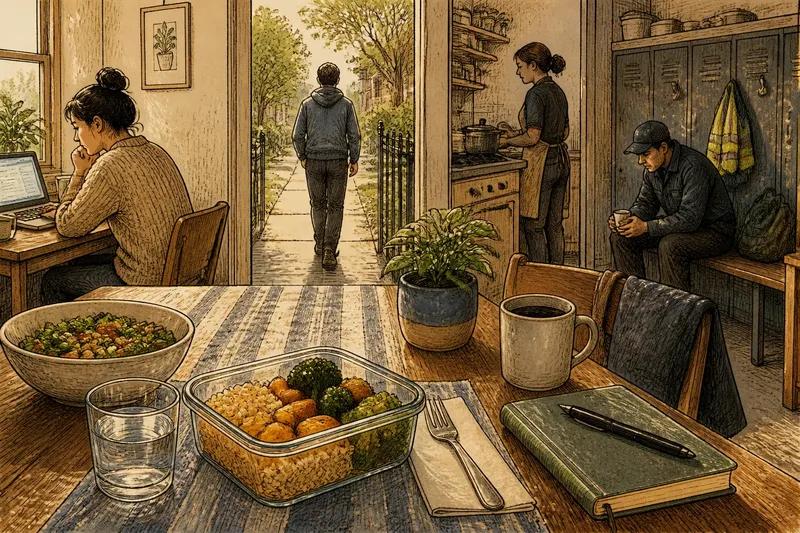
How do you mark the middle of the day when work, meals, and household demands do not line up neatly? Ways people mark the middle of the day range from sitting down for a meal to stepping outside, changing rooms, or drawing a line under one kind of task. The pause is not always long, and it does not always look like leisure. What makes it recognizable is a change in what you are doing.
Midday has no single shape because it is made from local customs, practical needs, and personal habits. A meal break may be a social event, a quiet interval, or a container carried to a desk. Elsewhere, the marked point may be a walk, a prayer, a handover between shifts, or a brief interruption before the next block of work. These forms share one useful feature: they make the day feel divided rather than endless.
Why does midday invite a pause?
The middle of the day is a convenient seam. Morning tasks have accumulated, while the later part of the day still lies ahead. People often use that seam to eat, reset their attention, coordinate with others, or change settings before returning to what remains.
That does not mean everyone experiences the same lull at the same hour. A shop worker, caregiver, student, and person working from home may have different demands and different opportunities to stop. Even people in the same household may mark midday separately, then meet again later. The clock offers a reference point, not an appointment imposed on every life.
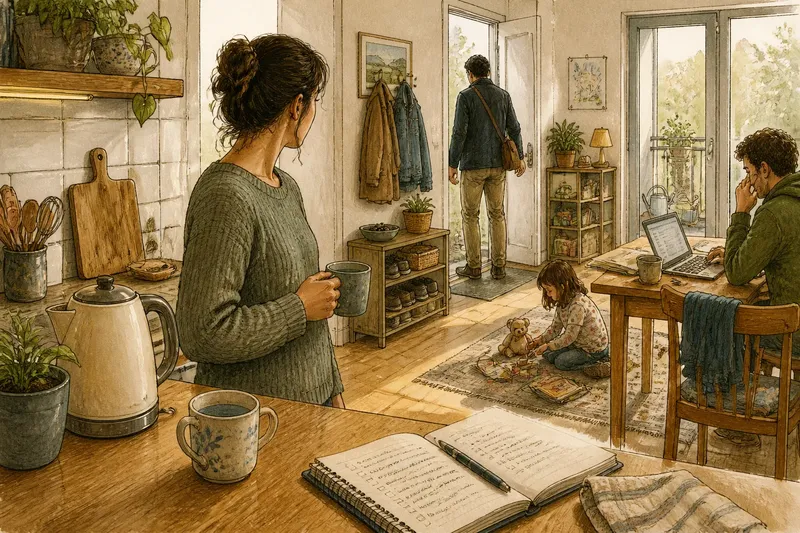
Pauses also reflect the organization of a place. A workplace may have a shared break room and a customary meal interval; a family home may revolve around school pickup; a street market may grow quieter as people eat. These arrangements shape what is possible, though they need not determine how someone experiences the pause. A little time away from a task can mark a boundary even without a formal break.
What forms can a midday pause take?
Meals are among the clearest ways to mark the middle of a day because they gather several needs into one event. Food, conversation, rest, and a temporary change of attention can happen at the same table. In some households, lunch is shared; in others, each person eats when a gap appears. A packed sandwich or leftovers in a container can serve the same basic purpose without ceremony.
Work rhythms also shape the interval. In fields, shops, offices, and institutions, breaks depend on the work, the people present, and the rules of the setting. Some pauses are collective, giving a group a chance to stop together. Others are staggered so a service, classroom, or workplace can keep operating. The difference affects whether a pause feels like an event or a slot to fit into.
Midday can be marked without a meal. Someone may walk around the block, sit on a porch, stretch near a window, read a few pages, or switch from one kind of work to another. In a shared setting, changing rooms or having a short conversation may be enough to make the interval distinct. These modest gestures cue the mind that the morning’s pattern has ended.
Places and customs matter. In some communities, the principal meal has traditionally fallen near the middle of the day; in others, the main meal comes later, and midday eating is lighter or informal. Climate, transport, work hours, school schedules, and household arrangements all influence the pattern. There are many midday habits, not one universal lunch hour.
How can you tell which pause fits?
A short look at an ordinary week can show what a midday pause is doing. This is not a schedule to enforce; it is a way to notice where food, solitude, company, and a change of scene already enter the day. Write down what actually happened, including an unplanned pause. A blank day is information, not a character judgment.
- Monday: Check whether the pause centered on food, conversation, a change of room, or a stop between tasks. If one option felt restorative, keep it in mind; if none did, try a different kind of pause on another day.
- Tuesday: Check what made the pause possible, such as a quiet period, another person’s availability, or a natural break in the work. If that opening is dependable, use it as a cue; if not, look for a boundary that occurs more reliably.
- Wednesday: Check whether being alone or with others felt more fitting. If company helped, arrange it when schedules allow; if solitude suited you better, choose a quieter place or activity.
- Thursday: Check the setting: table, bench, break room, car, kitchen, or somewhere else. If the setting made the pause distinct, return to it when practical; if it kept you tied to the task, move to another spot if permitted.
- Friday: Check which pauses felt like real boundaries and which were only interruptions. If a pause had a clear start and finish, preserve the cue; if it kept dissolving into work, try closing one task before beginning the next.
- Any day: Check whether food, rest, movement, or company was missing from the pause. If one need stands out, make room for that element when circumstances allow; if the day leaves little choice, use an existing transition rather than adding another obligation.
Say you work from home and notice that lunch often dissolves into checking messages at the kitchen counter. Imagine your starting point is leftovers, a phone within reach, and a meal eaten between replies. You put the phone in another room, sit at the table, eat the leftovers, and return to messages afterward. The observable result is a meal with a clearer beginning and end, though the tradeoff is that messages wait until you finish. If that arrangement does not suit the day, the observation still helps distinguish a preferred pause from a convenient one.
The point is not to rank the days. A pause can be useful because it is social, quiet, or a break from sitting. Some days, the most realistic boundary is closing one task and opening another. The less picturesque version counts too.
Which midday pause suits a particular day?
Does a midday pause have to include lunch?
No. A meal is a common marker, but a walk, quiet sit, short conversation, or shift in activity can also make the middle of the day distinct. If eating is part of the pause, let the timing and food fit your needs and circumstances.
What if a work schedule allows no shared break?
A pause may be brief and individual, such as stepping away from a screen or leaving a work area when permitted. In a job with fixed coverage, the practical option depends on workplace arrangements, so ask a supervisor about available breaks rather than assume one format fits everyone.
Why do some people prefer a change of scene?
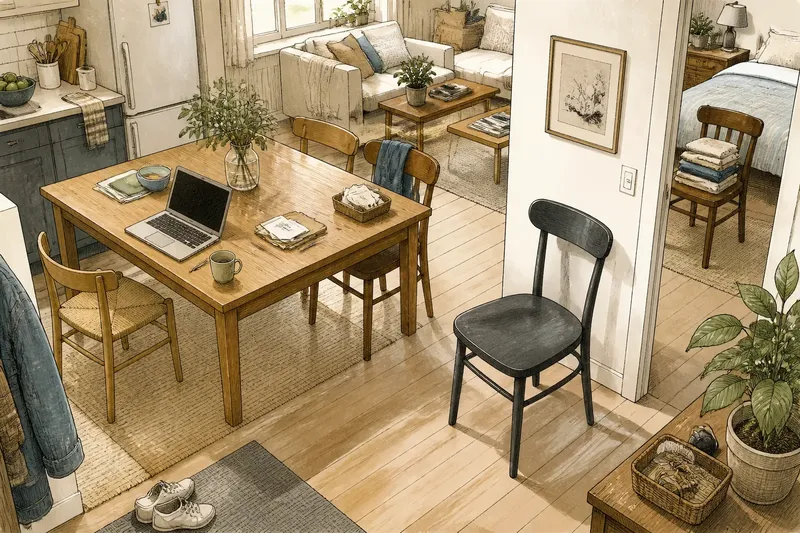
A different setting can make the boundary easier to notice: a courtyard, library corner, or another chair may feel separate from the work area. Others prefer familiar surroundings because leaving takes time or makes the interval harder to manage. Neither preference needs to become a rule.
Can a pause be too short to count?
There is no universal threshold. A brief stop may mark a transition if it interrupts one activity and makes room for another, though it may not offer the same opportunity as a longer meal or rest. Ask what the pause is meant to do that day.
What is not worth making complicated?
It is not worth designing a perfect midday ritual, buying special equipment, or keeping a detailed log of every bite and minute. Those additions can make an ordinary pause feel like another assignment. A note about what happened and how the next part of the day began is usually enough to spot a pattern.
Nor does a pause need to be defended by claims of efficiency. Eating with a colleague, sitting outside, or taking a quiet moment can matter simply because it gives the day a different texture. On a crowded day, a small marker may be all that is available; on a looser one, there may be room for a longer meal and conversation.
How can the middle of the day change without a fixed ideal?
Use the week’s observations to make one modest adjustment if part of the pause is missing. If the day feels too continuous, try a clearer change of activity. If meals are rushed, see whether a more settled place or less task-switching is possible. If company is welcome but absent, coordinate a meal with someone when schedules allow. These are options, not prescriptions.
People change how they mark midday as responsibilities and settings change. A shared lunch may become a packed meal, a walk may replace a long sit, or a household may gather at a different time. Ways people mark the middle of the day are not competing versions of one ideal routine. They are small arrangements that help a person recognize where one part of the day gives way to another.
When a pause feels hard to find, notice a boundary that already exists: finishing a class, handing over a shift, leaving a meeting, or putting away the tools used for a morning task. That ordinary transition can mark the middle of the day without asking it to become tidier than it is.